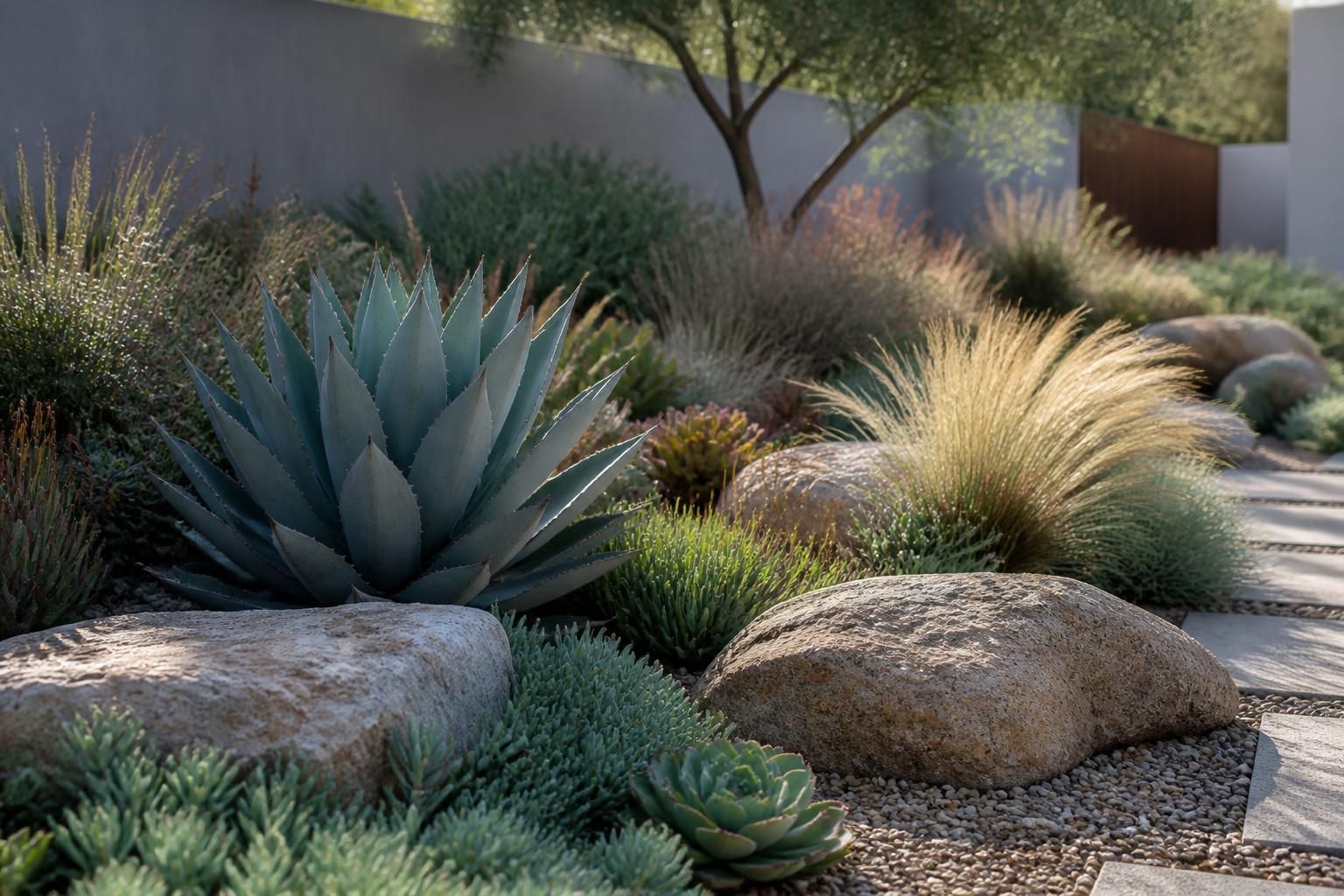
Struggling to keep a landscape looking polished when sun, wind, and limited water all seem to work against it? Plants that looked great for a week can start to droop, thin out, or outgrow their spot, leaving the yard feeling patchy instead of intentional.
Pacific Crest Outdoor Living helps homeowners across Bend, OR replace that cycle with planting plans built for the high desert climate. We design drought-tolerant plantings that bring color, texture, and structure to outdoor spaces while fitting the way Central Oregon yards really live.
Drought-tolerant planting is not just about using fewer plants with less water. It is about choosing the right mix of plants, spacing them thoughtfully, and building a layout that supports the look and use of the yard over time. In Bend, OR, that matters because a planting bed has to do more than survive. It should frame patios, soften hard edges, and hold its shape through changing seasons.
When the planting plan is rushed or generic, homeowners often end up with beds that feel sparse, crowded, or out of proportion. The result can be extra upkeep, uneven growth, and a landscape that never quite feels finished. We build planting plans to solve that by matching the site, the home, and the way you want to use the space.
Pacific Crest Outdoor Living creates planting plans that support the rest of your outdoor space, whether the goal is a clean modern look or a softer layered garden feel. Every selection is considered for form, seasonal interest, and how it will work with nearby patios, lighting, or fire features.
We choose plants that suit the high desert setting and the style of the property. That may include structure plants for year-round shape, flowering plants for color, and textural accents that keep beds from looking flat.
Good planting starts with layout. We think through sightlines, mature size, spacing, and how each bed will connect to the rest of the outdoor living area so the design feels intentional from every angle.
A strong drought-tolerant plan should have something to offer through more than one season. We look for combinations that give the yard visual rhythm instead of a short-lived burst of color followed by long stretches of sameness.
The right planting plan starts with the property itself. Sun exposure, soil conditions, slopes, access, and nearby hardscape all influence which plants will hold their shape and which ones will struggle. That is why we look at the full outdoor setting before choosing a single plant.
We review how the area reads from the home, patio, and key gathering spots so planting supports the whole landscape.
Some beds need to screen, some need to soften, and some need to provide color without blocking views. The purpose shapes the plan.
We narrow the choices to plants that match the design goal and the conditions of the site.
Spacing, repetition, and contrast are adjusted so the finished planting looks balanced rather than crowded or scattered.
Many homeowners want a landscape that looks cared for without constant rework. Drought-tolerant planting can help achieve that by reducing the demand for frequent replacement and by creating structure that still looks good when blooms change or fade. The key is not just selecting water-conscious plants, but arranging them so the design keeps its shape.
We often see the difference between a yard that looks planted and a yard that looks designed. A planted yard may have individual specimens dropped into open beds. A designed yard uses repetition, scale, and texture to make the entire outdoor area feel cohesive. That is the level of finish we aim for at Pacific Crest Outdoor Living.
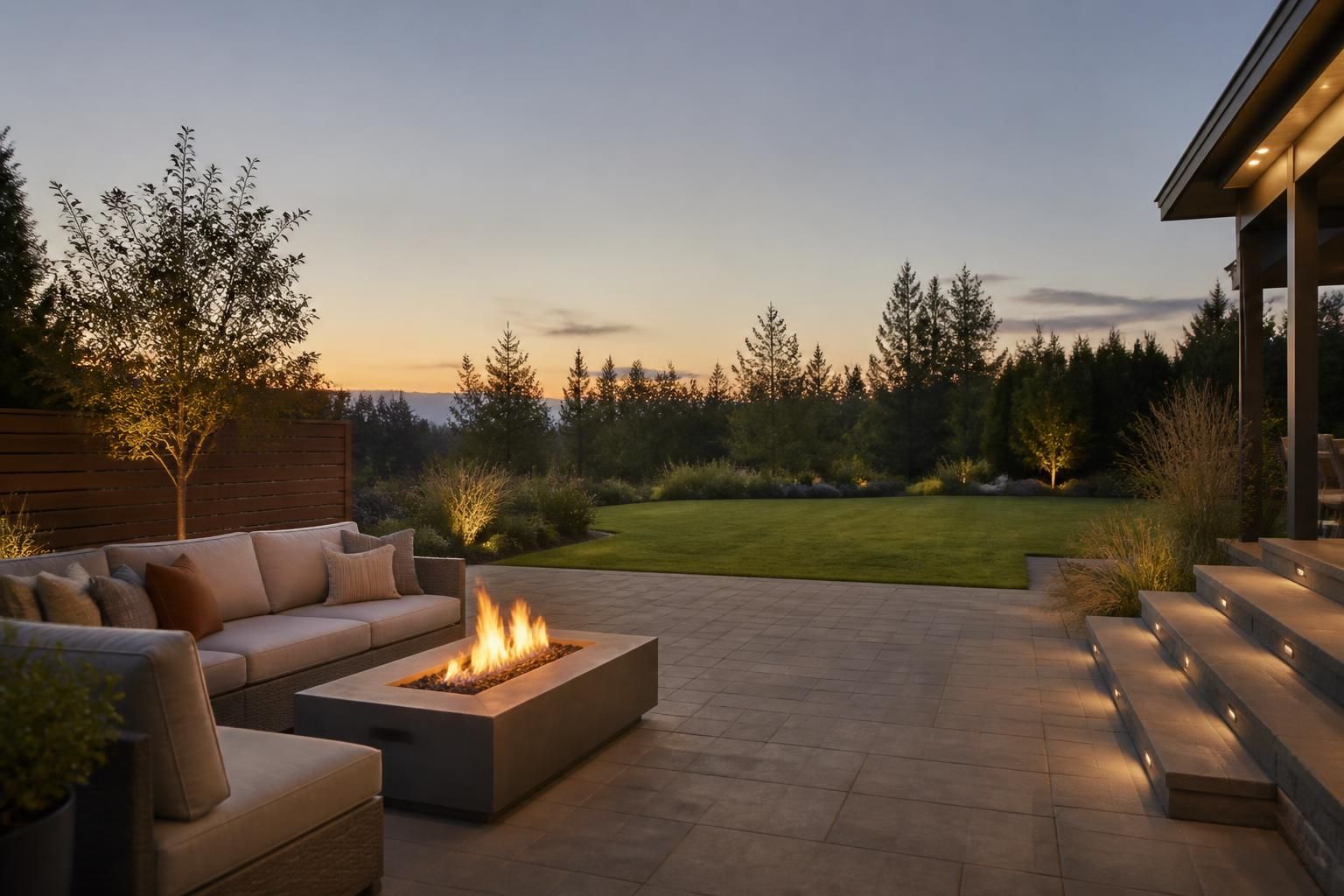
Drought-tolerant planting works especially well when it is planned alongside patios, walkways, lighting, and fire features. Plants can frame a seating area, soften hard surfaces, and give a space a more settled feel without crowding the areas where people gather.
Planting near patios should enhance the view without taking over the usable space. We look for forms and heights that feel inviting while still keeping circulation open.
Fire pits and similar gathering areas benefit from nearby planting that helps define the space and adds a natural backdrop. The goal is to support the atmosphere without creating clutter.
Garden lighting and planting work well together when the beds are designed with shape and height in mind. Plants can catch light softly at night and make outdoor features feel more complete after dark.
If your current landscape never seems to settle down, the issue may be the planting plan itself. Drought-tolerant planting often solves problems that show up as constant trimming, uneven fill, or beds that look too bare once the first flush of growth passes.
When these issues are addressed early, the landscape becomes easier to enjoy and easier to keep looking deliberate. That is especially important for homeowners who want a refined outdoor space that fits life in Bend, OR.
Pacific Crest Outdoor Living approaches drought-tolerant planting as part of the whole outdoor living experience, not as an isolated add-on. We consider how planting will work with the rest of the property, how the beds will age, and how the space should feel when someone steps outside for a quiet morning or hosts guests in the evening.
That process usually includes a clear sequence of decisions so the result is practical and attractive:
We start with the look and function you want from the space, such as structure, color, screening, or a more polished finish.
Next, we align the planting choices with the site's conditions and the broader landscape design.
We use repetition, contrast, and scale to make the beds feel composed rather than pieced together.
The final plan is intended to age well, giving the landscape a stronger sense of permanence as the plants establish.
Based at 615 NW Arizona Ave, Bend, OR 97703, Pacific Crest Outdoor Living serves Bend and nearby communities including Redmond, Sisters, Tumalo, Sunriver, and Terrebonne. Homeowners throughout Central Oregon come to us when they want planting that suits the climate and still feels tailored to the property.
If you are planning a new landscape or updating tired beds, drought-tolerant planting can be the piece that pulls everything together. It can frame a patio, soften a hardscape wall, and make the whole yard feel more finished without leaning on thirsty plant choices.
To start a conversation, contact us at hello@pacificcrestoutdoorliving.com or call +15415550198 during business hours, Monday through Friday from 8:00 AM to 5:00 PM. Saturday appointments are available, and Sunday is closed.
Drought-tolerant plants are chosen for their ability to handle dry conditions once established. They still need the right placement and care at the start, but they are better suited to water-conscious landscapes than plants that require frequent moisture.
Yes. A good plan uses more than one kind of visual interest, including flower color, foliage contrast, texture, and plant shape. That mix keeps the landscape attractive even when one plant is not blooming.
It does, and it often works very well. The key is choosing plants that fit the scale of the patio and leave enough room for comfortable use, while still adding softness and structure around the edge.
We look at the site conditions, the style of the home, and the role each bed needs to play in the landscape. From there, we select plants that suit the high desert setting and support the design as a whole.
Yes. Updating the plant palette and layout can make a large difference, especially if the current beds feel sparse, overcrowded, or disconnected from the rest of the outdoor space.
No. It can also be used to refresh older beds, improve the look around patios and pathways, or bring more structure to spaces that have never felt finished.
Let’s Talk
Share your goals for the space, and we will help you shape an outdoor area that works for everyday living, entertaining, and the Central Oregon climate.